
Hari Subramonyam



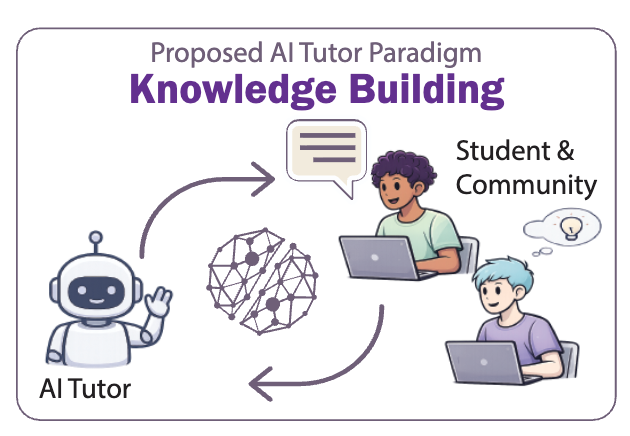
I am an Assistant Professor (Research) at the Graduate School of Education and Computer Science (by courtesy) at Stanford University. I am also the Ram and Vijay Shriram Faculty Fellow at the Institute for Human-Centered AI (HAI) and a core faculty member of Stanford HCI. My research asks how we design AI to extend human thinking rather than replace it. I take a cognitively grounded approach to HCI, studying how people build knowledge through acts of creation: writing arguments, building models, drawing diagrams. I then design interfaces that make these cognitive structures visible and interactive, so that AI can meaningfully participate in the process without taking it over. This work spans AI thinking tools that preserve learners' roles as active creators, pedagogical systems that help teachers see and support how students learn, and design methods that give educators real agency in shaping the AI tools entering their classrooms. I received my MS and PhD in Information from the University of Michigan School of Information, advised by Eytan Adar.
I am an Assistant Professor (Research) at the Graduate School of Education and Computer Science (by courtesy) at Stanford University. I am also the Ram and Vijay Shriram Faculty Fellow at the Institute for Human-Centered AI (HAI) and a core faculty member of Stanford HCI. My research asks how we design AI to extend human thinking rather than replace it. I take a cognitively grounded approach to HCI, studying how people build knowledge through acts of creation: writing arguments, building models, drawing diagrams. I then design interfaces that make these cognitive structures visible and interactive, so that AI can meaningfully participate in the process without taking it over. This work spans AI thinking tools that preserve learners' roles as active creators, pedagogical systems that help teachers see and support how students learn, and design methods that give educators real agency in shaping the AI tools entering their classrooms. I received my MS and PhD in Information from the University of Michigan School of Information, advised by Eytan Adar.
Honorable mention


PDF | VIDEO | Project Website
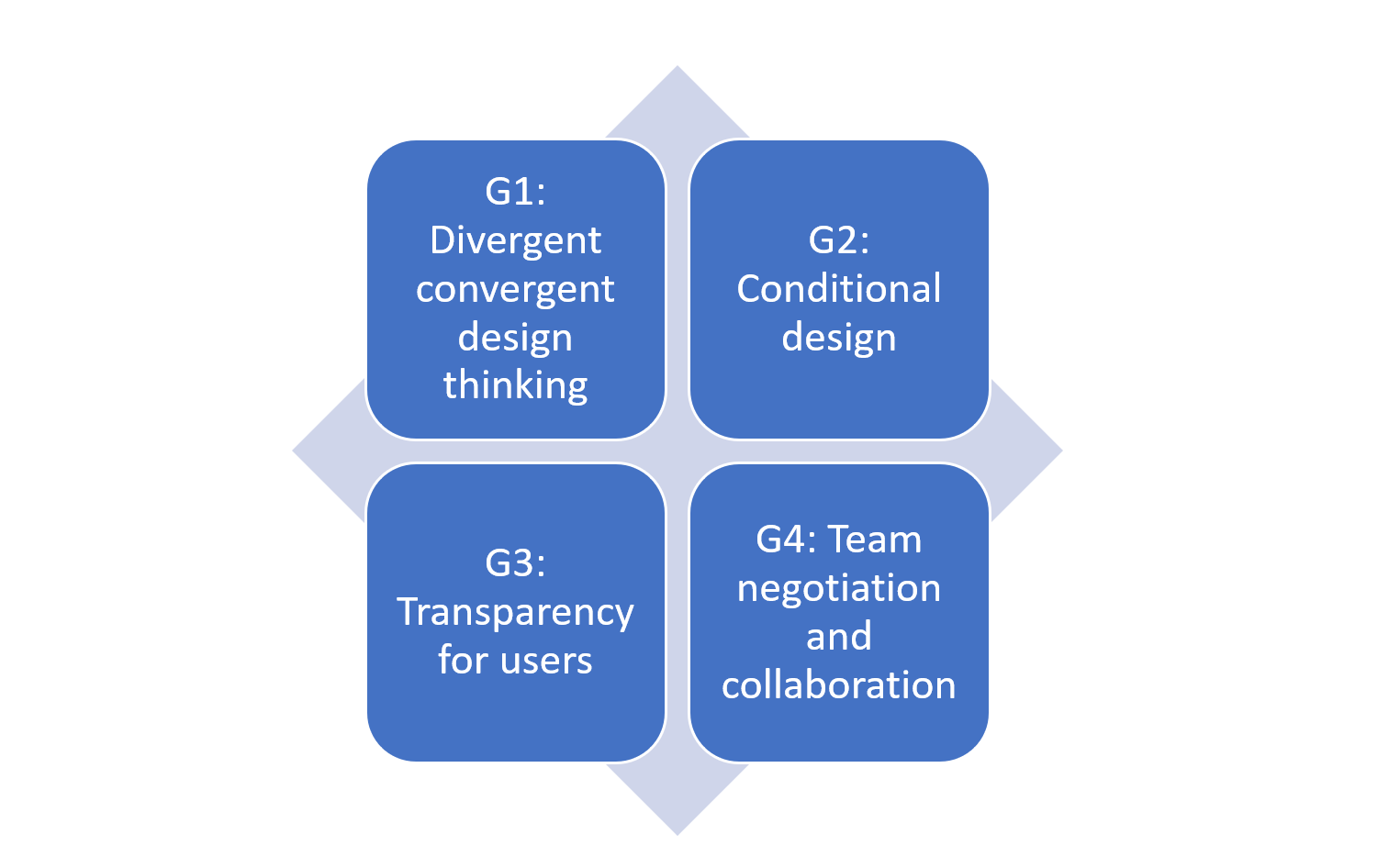
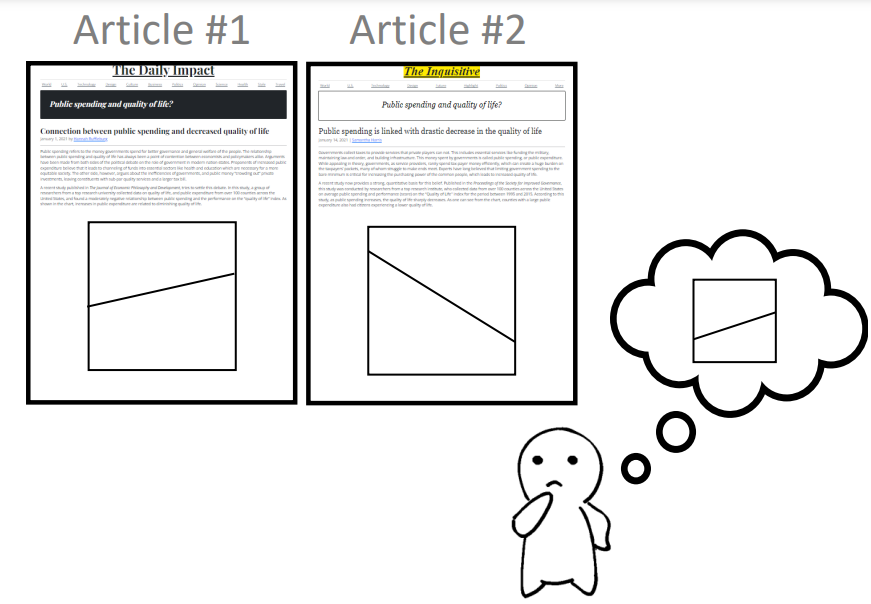
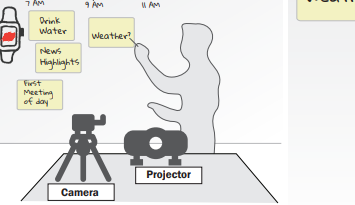




Tools for Thought: Research and Design for Understanding, Protecting, and Augmenting Human Cognition with Generative AI [CHI 2025]
Workshop Website
Human–AI Coevolution [ICLR 2025]
PDF
Dynamic Abstractions: Building the Next Generation of Cognitive Tools and Interfaces [UIST 2024]
Workshop Website
AI-Driven Support for People with Speech & Language Difficulties [CHI 2024]
PDF
Designing for AI-Powered Social Computing Systems [CSCW 2023]
PDF
LLMs and the Infrastructure of CSCW [CSCW 2023]
PDF
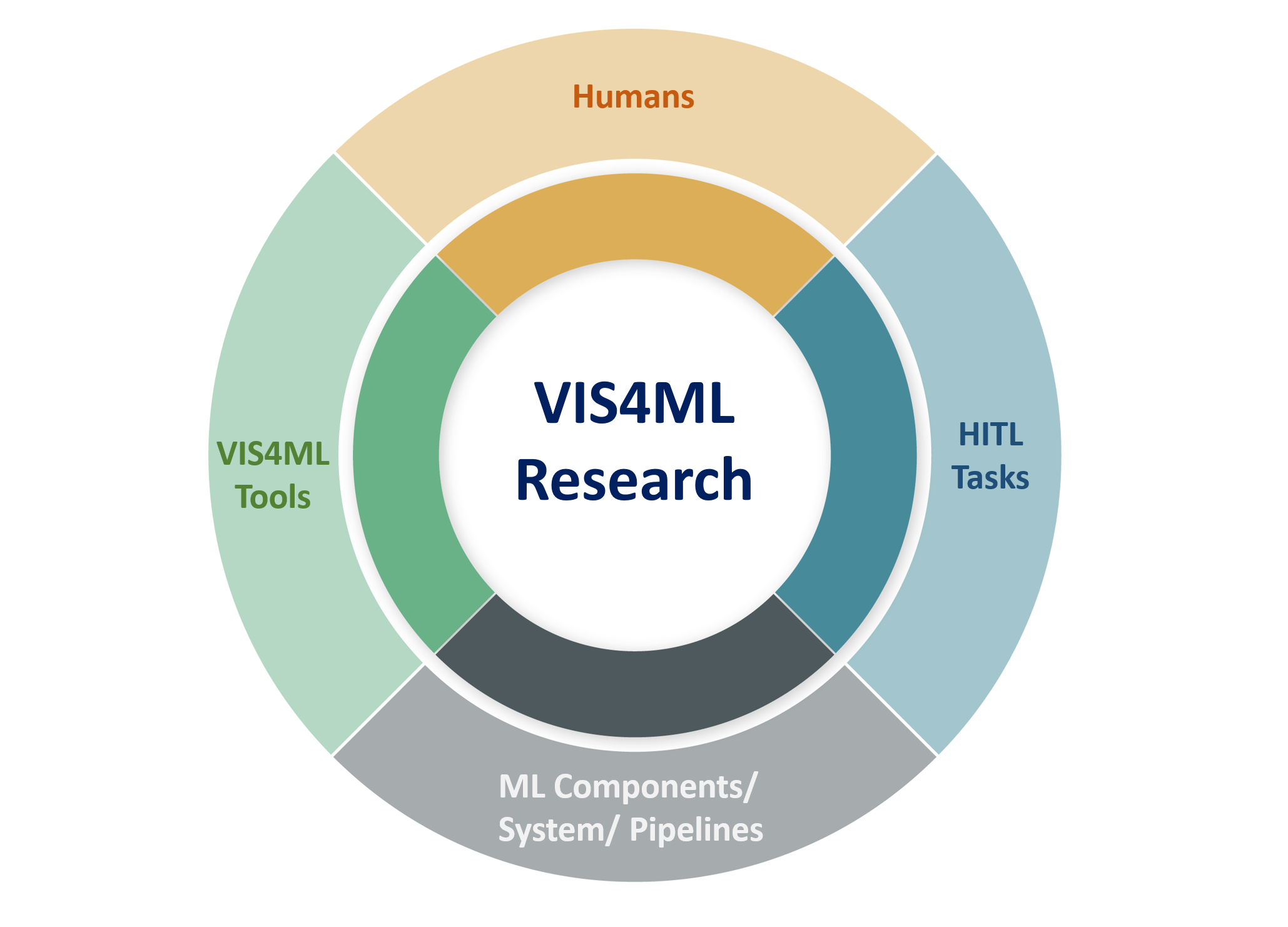
Shortcomings of Visualizations for Human-in-the-Loop Machine Learning [Oct 9, 2023] 🔗
While visualizations can help developers better design, train, and understand their models, new research shows gaps between ambitions and evidence.
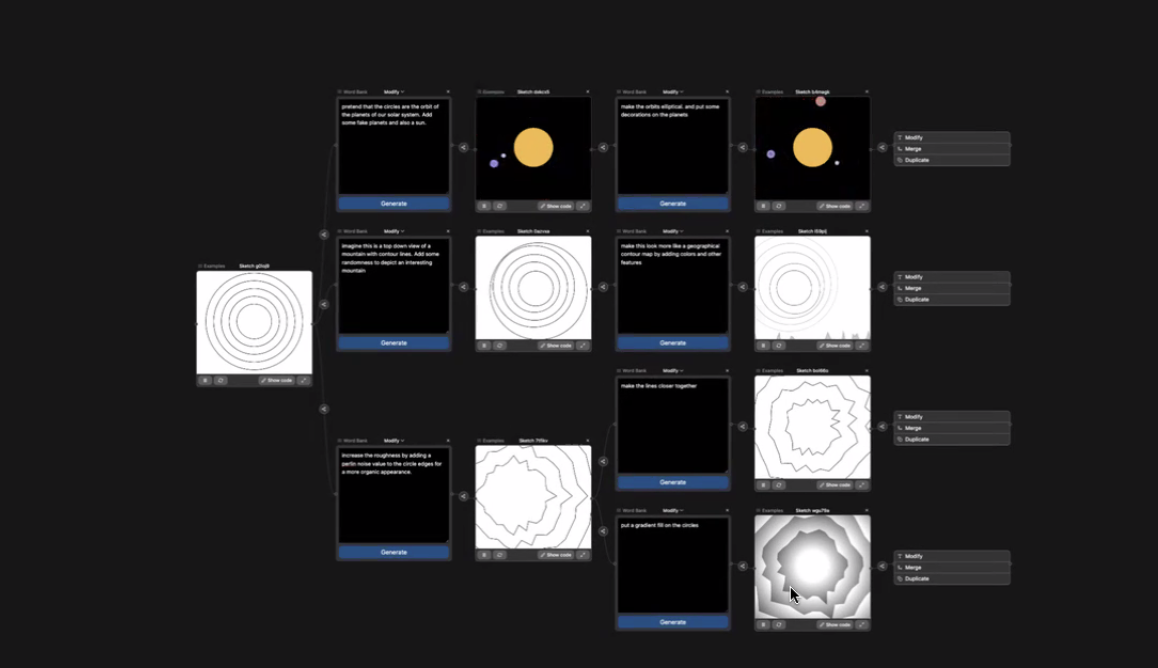
Spellburst: A Large Language Model-Powered Interactive Canvas for Generative Artists [Sept 13, 2023] 🔗
This new creativity support tool helps artists who work in code explore ideas using natural language and iterate with precision.
Finding a Fit with Learning Technology [Nov 22, 2022] 🔗
Hari Subramonyam and students investigate interfaces that optimize what humans and technology each do best.
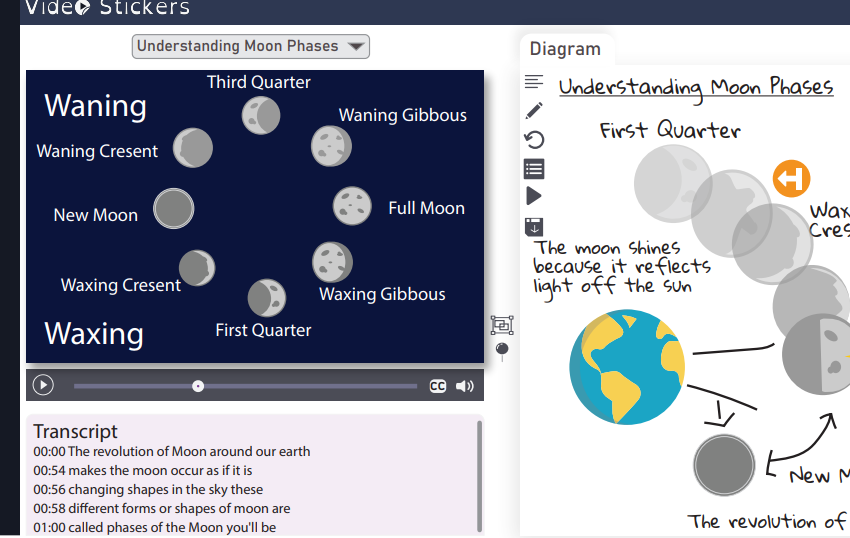
New App VideoSticker Uses AI To Help Students Take Rich Notes from Video Lessons [Aug 25, 2022] 🔗
The tool allows students to break down video imagery and transcripts to ease and improve note-taking and comprehension.
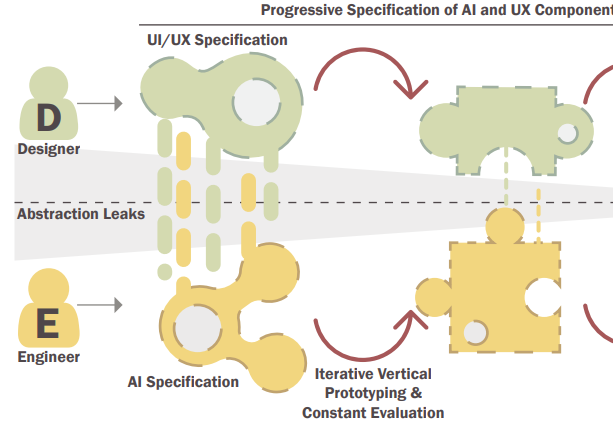
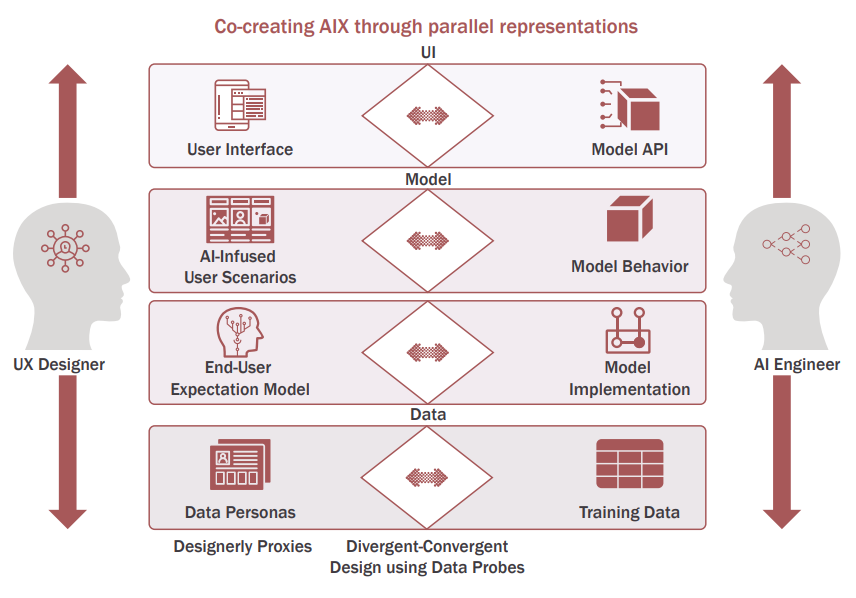
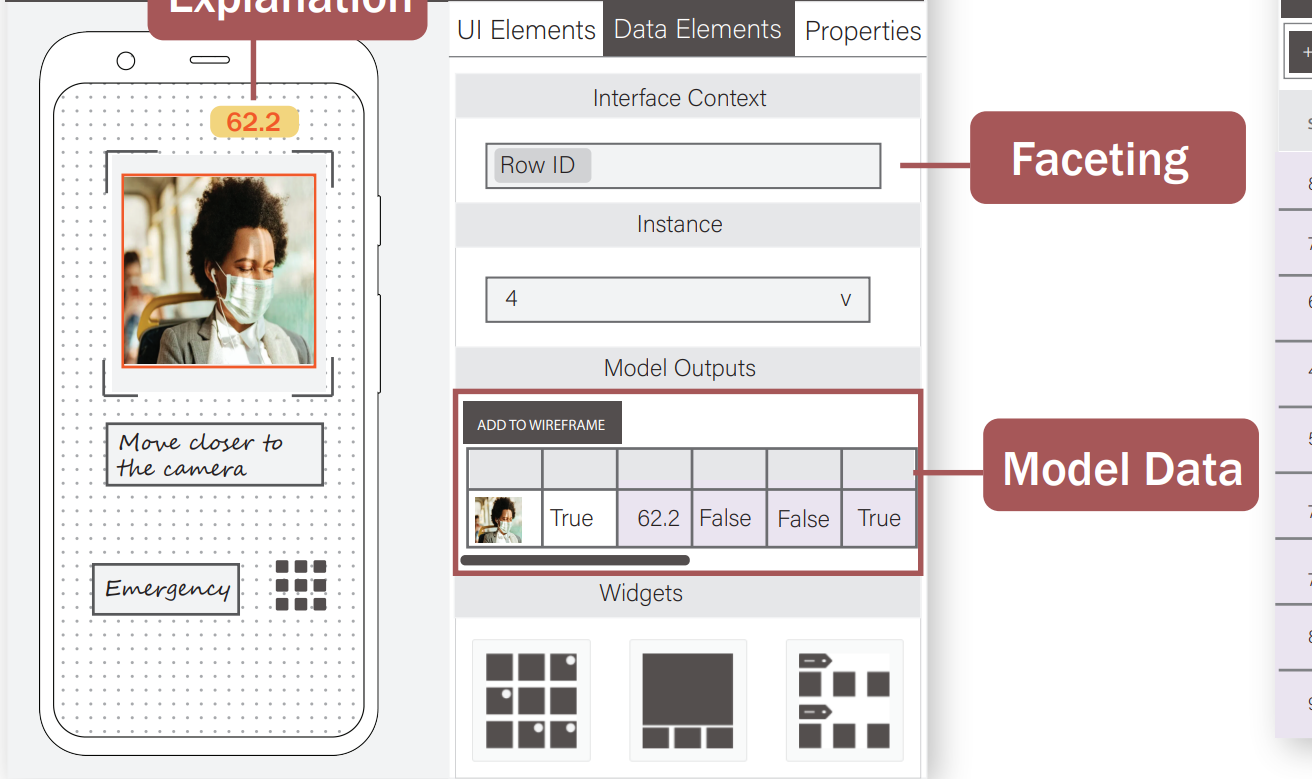
In Human-Centered AI, the Boundaries Between UX and Software Roles Are Evolving [Apr 26, 2022] 🔗
"Leaky abstractions" are transforming software design and programming and leading to better, human-focused technology.